Why Commercial Rooftop AC Units Fail Before They Should
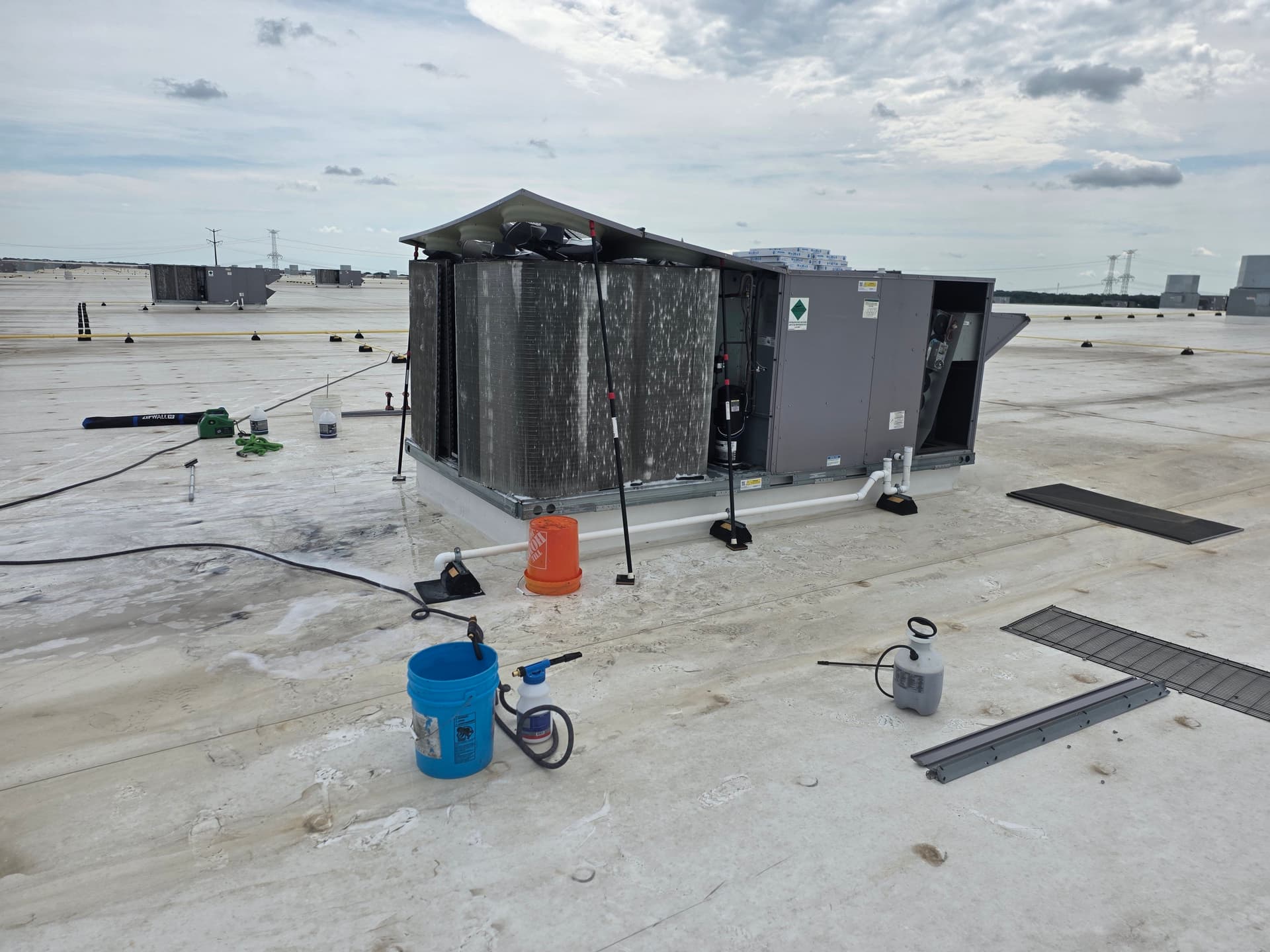
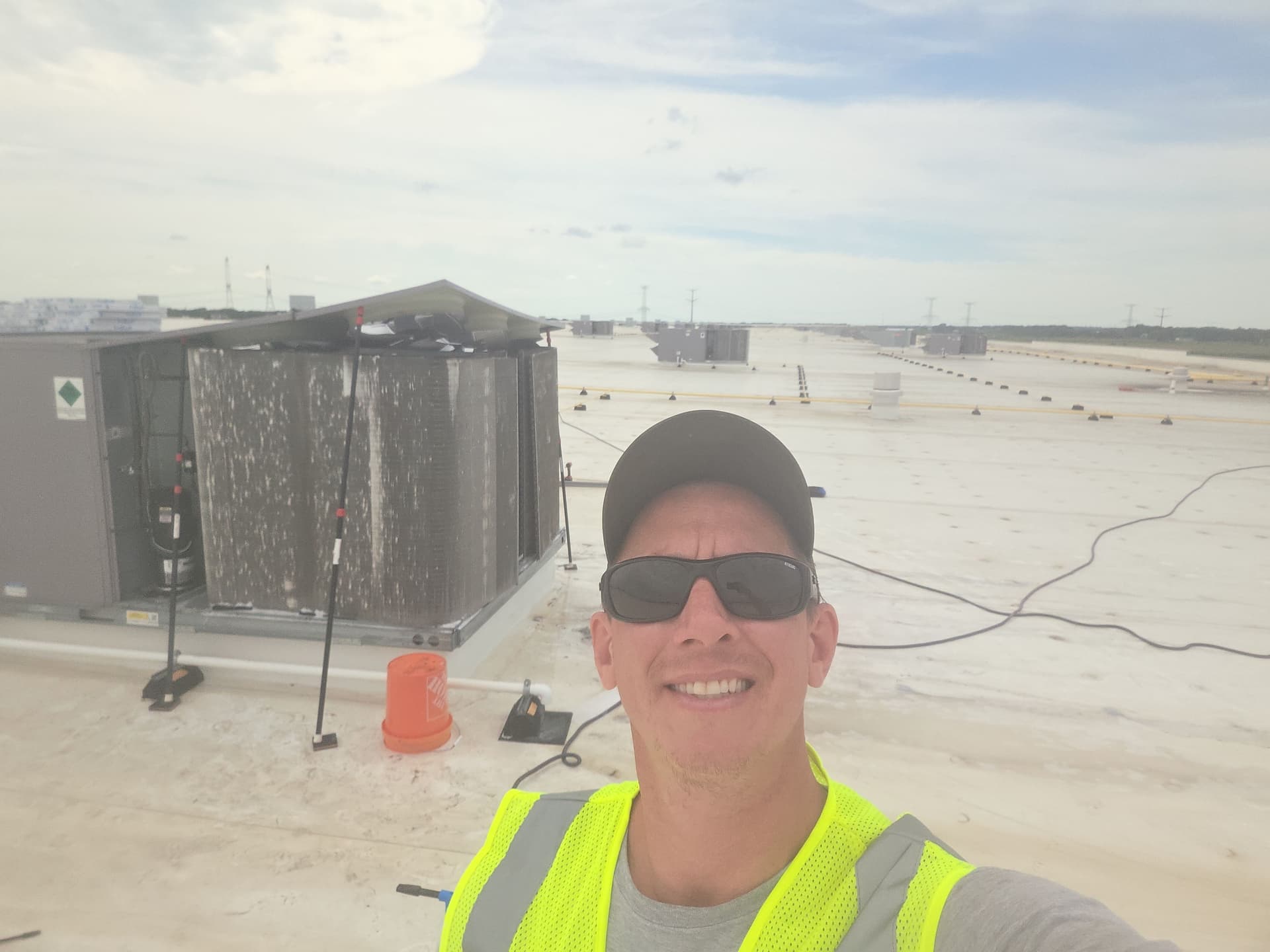
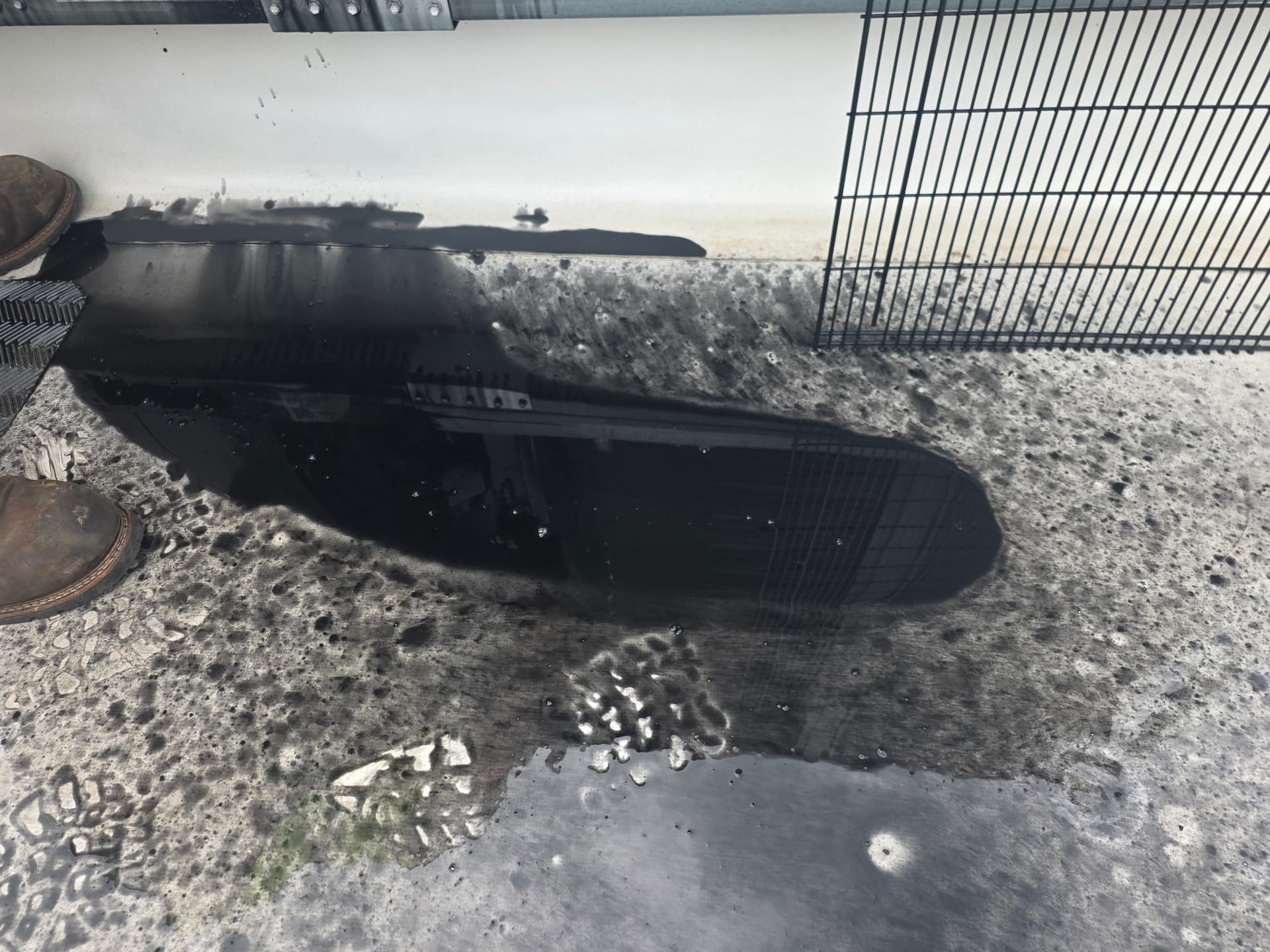
Most AC failures don't happen out of nowhere. They build up slowly - dirty coils, off-target pressures, small issues that go unchecked until something major lets go. By the time you're dealing with a full compressor failure, you're also dealing with emergency service calls, equipment downtime, and a repair bill that's a lot bigger than a routine tune-up ever would have been.
That's exactly what preventive maintenance is designed to stop. When we get up on a commercial rooftop unit and pull it apart for a proper service, we're checking refrigerant pressures, inspecting the compressor, cleaning the coils, and looking for anything that's trending in the wrong direction. The coil cleaning alone makes a noticeable difference - debris and buildup act like insulation, making the system work harder to do the same job.
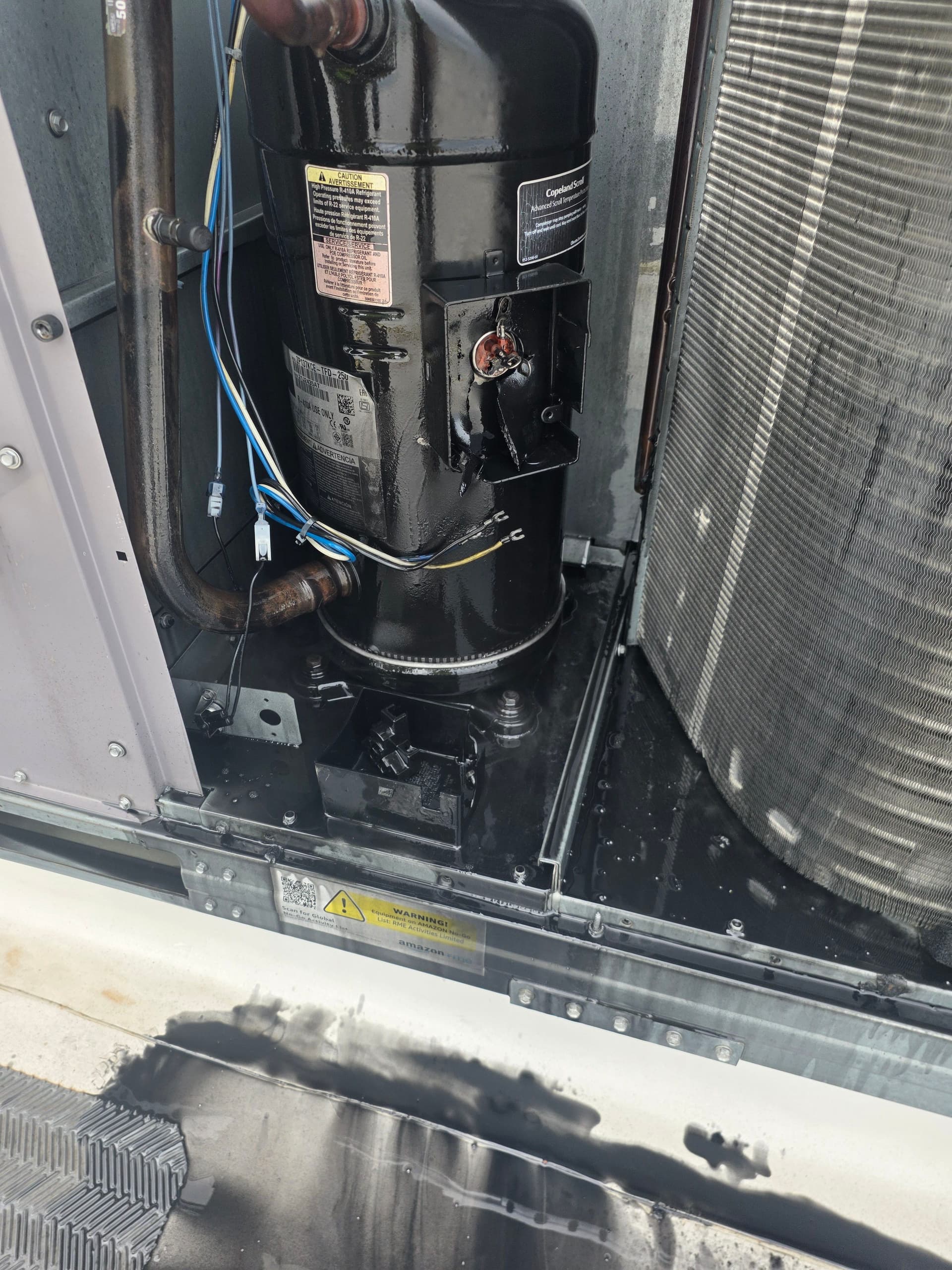
The compressor is the heart of the system. It's also the most expensive component to replace. Keeping pressures dialed in and the coils clean directly protects it. A unit that's running in spec runs cooler, cycles properly, and doesn't put unnecessary stress on the compressor over time. That's what keeps a commercial system running for years instead of failing early.
Whether you're managing one rooftop unit or a whole row of them, the math is simple - scheduled maintenance costs a fraction of what emergency repairs or full equipment replacement runs. It's not a luxury, it's just smart building management.